
The AMA's Secret War on Chiropractic — And How It Failed
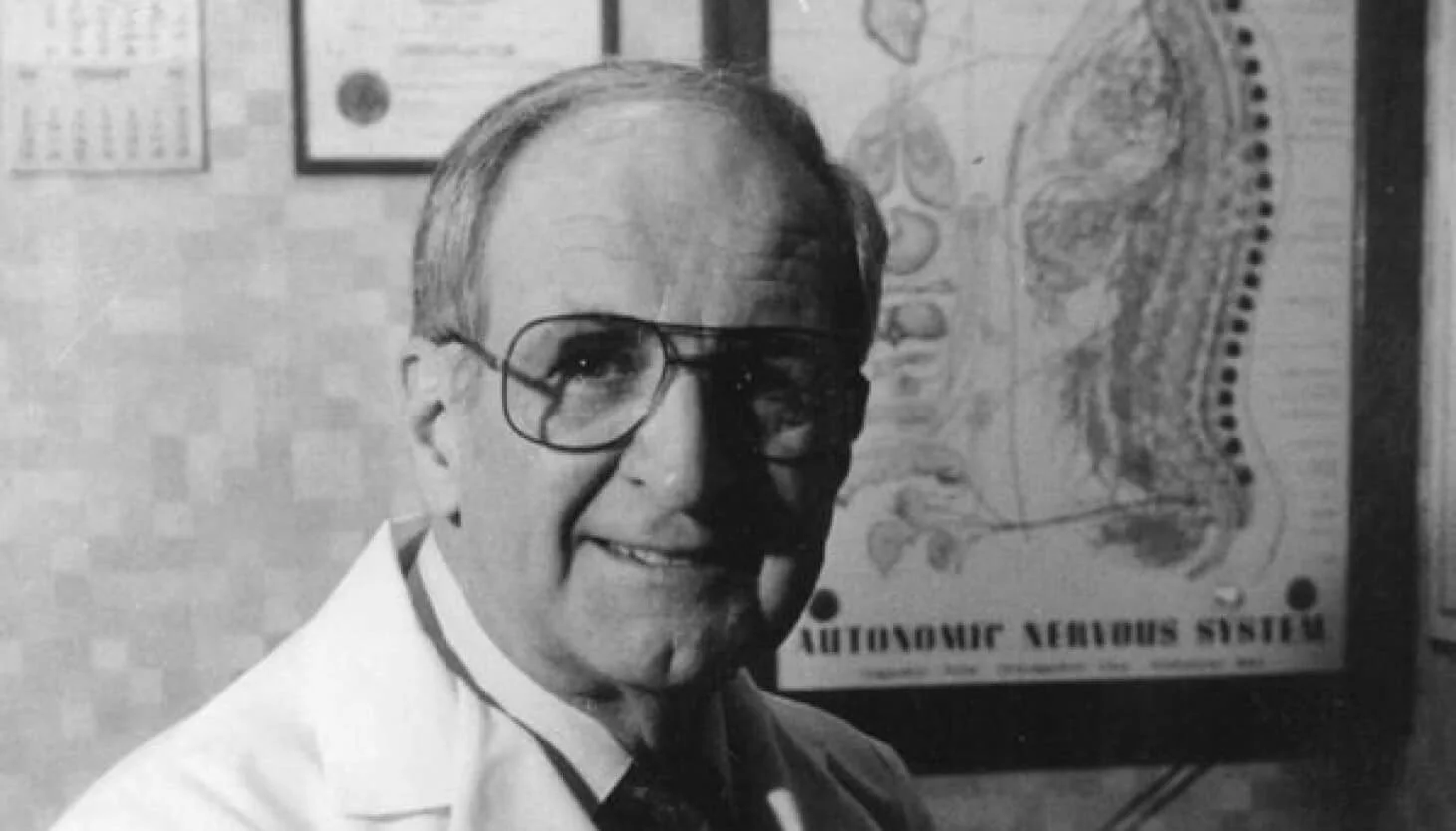
The Wilk v. American Medical Association (AMA) court case is a landmark antitrust lawsuit that significantly impacted the chiropractic profession and its relationship with organized medicine. Below are the most important and relevant facts for the general public to understand about this case, based on its historical and legal significance:
Background and Filing (1976):
In 1976, chiropractor Chester A. Wilk, along with four other chiropractors (Patricia Arthur, James Bryden, Michael Pedigo, and Steven Sheffey), filed a federal antitrust lawsuit against the AMA and several co-defendants, including medical organizations like the American College of Surgeons and the American College of Radiology. The plaintiffs alleged that the AMA engaged in a conspiracy to "contain and eliminate" the chiropractic profession, violating Sections 1 and 2 of the Sherman Antitrust Act.
AMA’s Actions and Principle 3:
Before 1980, the AMA’s Principle 3 of its medical ethics code stated that physicians should only practice methods founded on a scientific basis and avoid professional association with those who violate this principle. The AMA labeled chiropractic as an “unscientific cult,” discouraging medical doctors from associating with chiropractors, referring patients to them, or accepting referrals from them. This effectively created a boycott that restricted chiropractors’ access to hospitals, research funding, and professional collaboration.
The AMA’s Committee on Quackery, active until 1974, was explicitly established to undermine chiropractic, using tactics like ghostwriting negative media content and distributing anti-chiropractic materials to influence public perception and limit chiropractic’s legitimacy.
First Trial and Appeal (1981–1983):
The initial jury trial in 1981 resulted in a verdict for the AMA, but the plaintiffs appealed. In 1983, the Seventh Circuit Court of Appeals ordered a new trial, citing improper jury instructions and the admission of irrelevant, prejudicial evidence. The court clarified that the case should be judged under the “rule of reason” rather than a per se violation, focusing on whether the AMA’s actions unreasonably restrained competition.
Second Trial and Ruling (1987):
Before the second trial in 1987, the plaintiffs dropped their claim for damages and sought only injunctive relief, making it a bench trial overseen by Judge Susan Getzendanner. She ruled that the AMA had violated Section 1 of the Sherman Antitrust Act by engaging in an unlawful conspiracy to restrain trade through a boycott aimed at eliminating chiropractic.
Getzendanner described the AMA’s actions as “systematic, long-term wrongdoing” with the intent to “destroy a licensed profession.” She issued a permanent injunction under Section 16 of the Clayton Act, prohibiting the AMA from restricting physicians’ associations with chiropractors.
The judge dismissed claims against other defendants, including the Joint Commission on Accreditation of Hospitals and the American College of Physicians, finding they acted independently of the AMA’s boycott.
AMA’s Defense and Outcome:
The AMA argued a “patient care defense,” claiming their actions were motivated by concerns for scientific patient care. However, the court found that the AMA failed to prove that their concerns about chiropractic’s scientific validity could not have been addressed in a less restrictive manner, thus rejecting their defense.
The AMA had revised Principle 3 in 1980, during the litigation, to allow physicians to freely associate with other practitioners, but Getzendanner noted that the AMA never acknowledged the illegality of its past conduct or affirmatively stated that associating with chiropractors was ethical.
Appeals and Final Resolution (1990–1992):
Both sides appealed the 1987 ruling. On February 7, 1990, the Seventh Circuit Court of Appeals upheld the finding of liability against the AMA but affirmed the dismissal of claims against other defendants. The U.S. Supreme Court denied the AMA’s petitions for certiorari three times in 1990, solidifying the ruling.
In January 1992, the AMA settled, adopting a statement in American Medical News that it was ethical for physicians to associate with chiropractors if they believed it was in the patient’s best interest. This marked the end of the 14-year legal battle.
Impact on Chiropractic and Healthcare:
The lawsuit dismantled barriers to chiropractic legitimacy, enabling chiropractors to gain hospital privileges, access federal research funding, and collaborate with medical doctors. It fostered joint research, referrals, and integration of chiropractic care into mainstream healthcare systems like the Veterans Administration and Department of Defense.
The case exposed the AMA’s unethical tactics, leading to greater public and professional acceptance of chiropractic. It also set a legal precedent limiting the use of “quality of care” defenses in antitrust boycott cases, influencing future competition law.
Limitations of the Ruling:
Judge Getzendanner clarified that the court did not rule on the scientific validity of chiropractic, stating that such a determination required a controlled scientific study, which had not been conducted at the time. The ruling focused solely on the AMA’s anti-competitive behavior, not on endorsing chiropractic as a scientific practice.
Why It Matters: The Wilk v. AMA case is a pivotal example of how professional organizations can misuse ethical guidelines to suppress competition, violating antitrust laws. It empowered the chiropractic profession by removing systemic barriers, fostering collaboration between medical and chiropractic practitioners, and promoting patient choice in healthcare. The case remains a significant milestone in the fight against monopolistic practices in medicine and the advancement of integrative healthcare.
For further details, the primary court documents are available at Wilk v. American Medical Association, 671 F. Supp. 1465 (N.D. Ill. 1987) and 895 F.2d 352 (7th Cir. 1990)
“Never be afraid to raise your voice for honesty and truth and compassion against injustice and lying and greed.”
