
C.H.A.M.P.S. – The Six Neuroplastic Pathways of Chiropractic
Did you know that chiropractic care influences the nervous system in powerful & measurable ways?
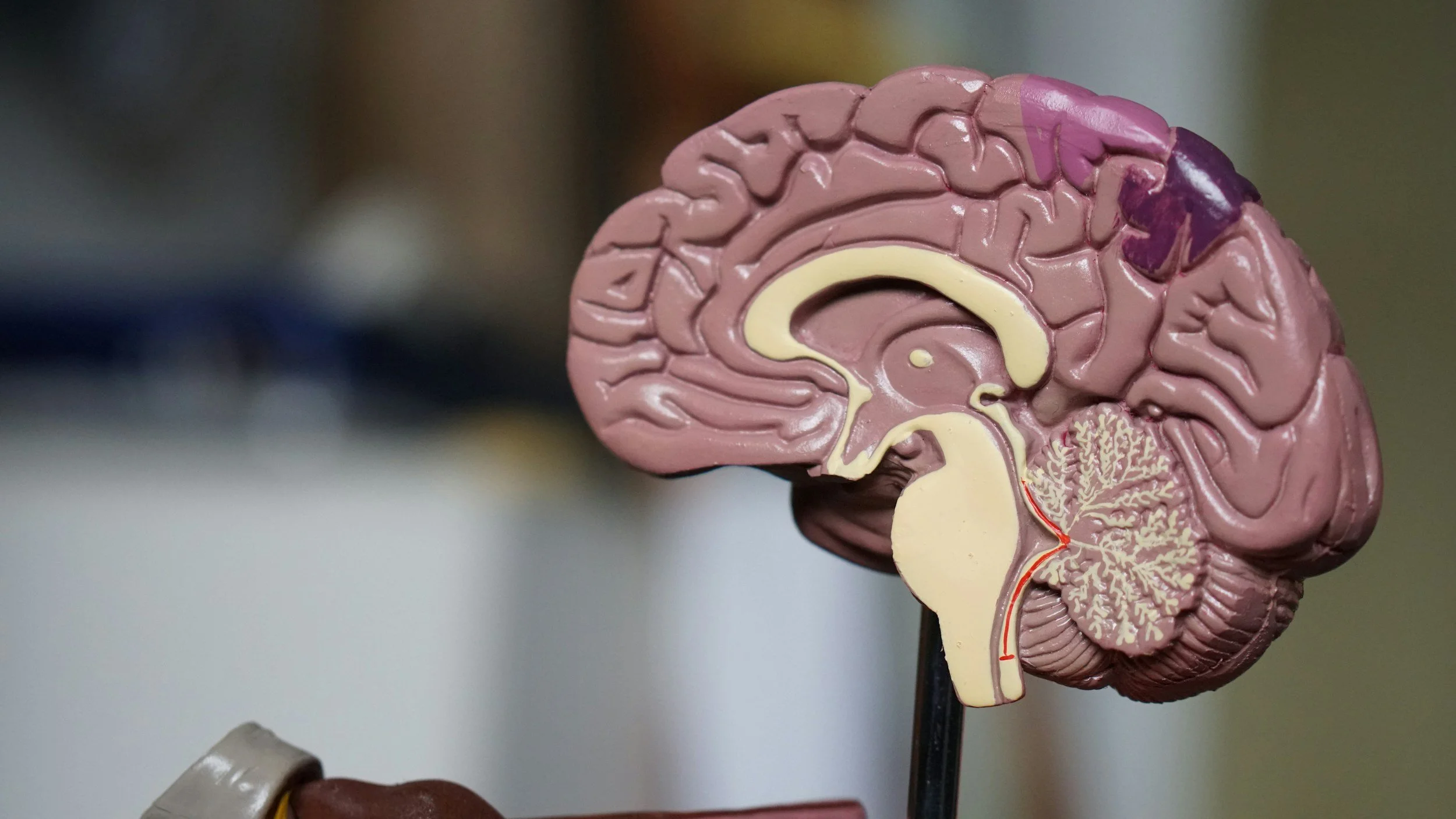
Spinal adjustments engage multiple systems of the brain and body through a process called neuroplasticity aka the body’s ability to change and adapt. Let’s look into 6 key ways that an adjustment goes further than a ‘pop.’
C – Cortical Changes (and Cognitive Function) : Chiropractic adjustments stimulate parts of the brain responsible for motor control (movement), sensory integration (sight, taste, smell, feel, hearing), and cognitive function (thinking). This reorganization of neural networks improves how the brain processes and responds to input. Like rebooting a computer, adjustments clear glitches and optimize mental clarity.
H – HRV Boost (Heart Rate Variability) : HRV reflects the balance between the sympathetic (fight or flight) and parasympathetic (rest & digest) nervous systems. Chiropractic care improves HRV by enhancing vagal tone, supporting stress recovery and emotional regulation. When your heart rhythm adapts like a jazz musician, your body becomes more stress-resilient.
A – Autonomic Influence (Vagal Afferent Input) : Chiropractic adjustments influence vagal tone and the autonomic nervous system by correcting spinal misalignments that interfere with brain-body communication. Think of the vagus nerve as your wellness conductor ; Adjustments keep it on beat.
M – Motor Neuron Influence : Spinal manipulation increases motor neuron efficiency, improving strength, reflexes, and movement control.Chiropractic care is like upgrading your spark plugs - more power and better performance.
P – Proprioception : Adjustments enhance your body’s spatial awareness and positioning, improving posture and coordination. Your inner GPS becomes more accurate, guiding every step with precision.
S – Sensory-Motor Integration : Chiropractic care improves how sensory input translates into effective motor output. This is key for coordination and movement. It’s like syncing sound and video—when input and output are aligned, everything flows smoothly.
References Courtesy of Dr. Dan Davidson
Sullivan, S. (2018) Haas & Russell (2017) Alanazi et al. (2024)
Williams, B. (2024) Haavik et al. (2021)
